Category: US Casino News

  • Tribal Casinos and Their Growing Influence: Economic Powerhouses Reshaping America

    Tribal Casinos and Their Growing Influence: Economic Powerhouses Reshaping America

    No cap, tribal casinos are absolutely slaying the game right now. With revenue hitting a mind-blowing $42 billion in 2023, Native American gaming enterprises aren’t just building wealth — they’re literally changing the economic landscape across the US.

    For Gen Z looking to understand how sovereign nations within America are creating sustainable economies while preserving cultural identity, there’s no better example than the tribal casino revolution that’s been quietly transforming communities from California to Connecticut.

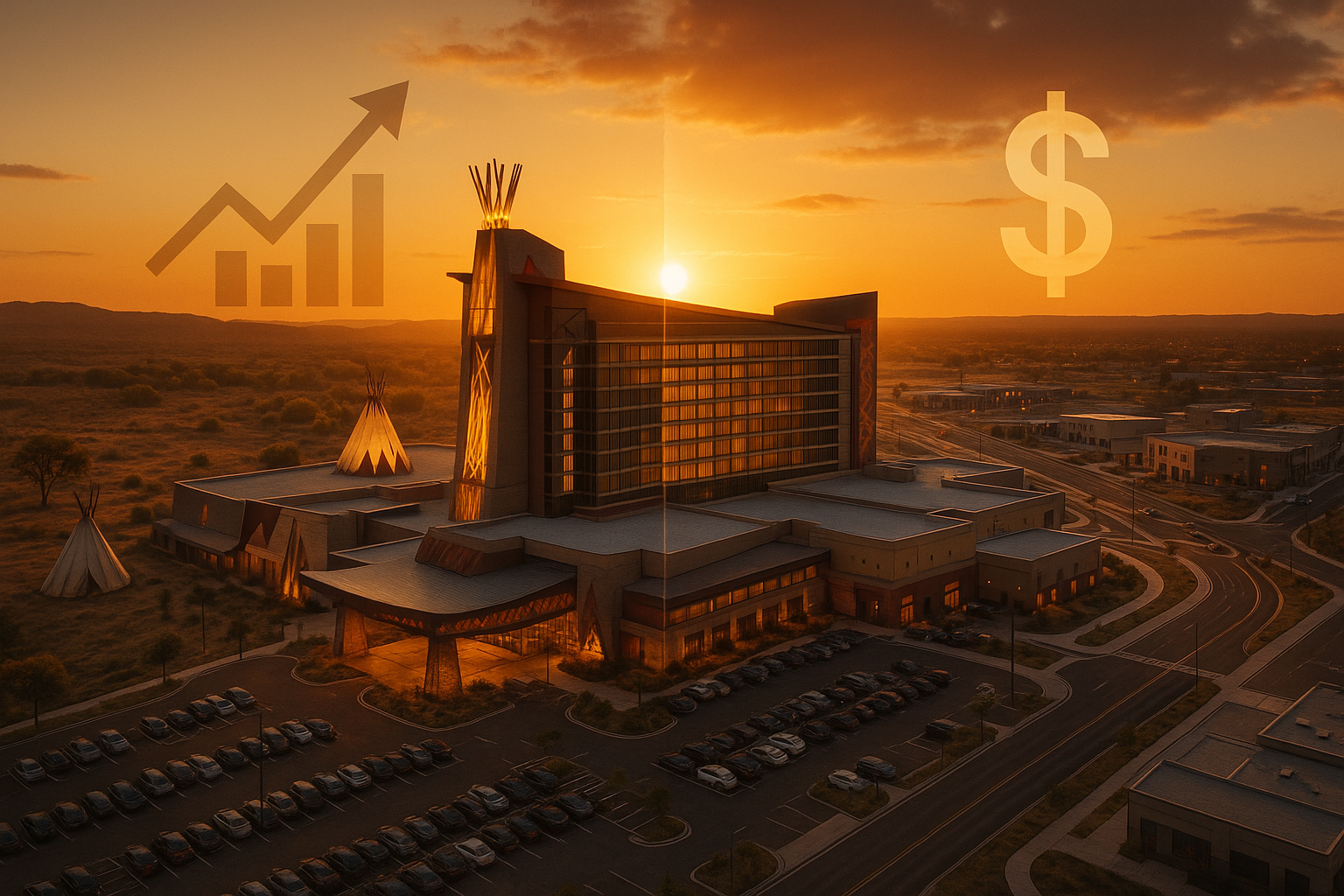
    Tribal Casino at Sunset

    The Rising Economic Force of Tribal Gaming

    The landscape of American gambling has undergone a remarkable transformation over the past three decades. What started as small bingo halls on reservations has evolved into a powerful economic engine that’s reshaping tribal economies, local communities, and the national gambling industry. Tribal casinos now represent a critical sector of the American economy, with their influence extending far beyond reservation boundaries.

    In 2023, tribal casinos generated a record $41.9 billion in gross gaming revenue, marking another year of growth in an industry that continues to expand its economic footprint. With more than 525 tribal gaming operations across 29 states, Native American casinos have become essential economic development tools for tribal nations while simultaneously transforming the American gambling landscape.

    This article examines the evolving influence of tribal casinos, exploring their economic impact, regulatory framework, community benefits, ongoing challenges, and future trends that will shape this dynamic industry in the years ahead.

    Historical Context: The Birth of Tribal Gaming

    From Bingo Halls to Resort Destinations

    The modern tribal casino industry has its roots in a humble beginning: high-stakes bingo operations that emerged in the late 1970s. The Seminole Tribe of Florida pioneered this movement in 1979 by opening a high-stakes bingo hall in Hollywood, Florida. This initiative sparked legal challenges that would ultimately reshape the relationship between tribal nations and state governments regarding gambling activities.

    These early ventures faced significant opposition from states attempting to regulate or prohibit gambling on tribal lands. The conflict came to a head in the 1987 Supreme Court case California v. Cabazon Band of Mission Indians, which established that federally recognized tribes could operate gaming facilities without state interference if similar activities were permitted elsewhere in the state.

    The Indian Gaming Regulatory Act (IGRA)

    Following the Cabazon decision, Congress passed the Indian Gaming Regulatory Act (IGRA) in 1988, creating the framework that still governs tribal gaming today. The IGRA established three classes of gaming:

    • Class I: Traditional tribal games played for minimal prizes
    • Class II: Bingo and similar games, including electronic versions
    • Class III: Vegas-style casino games, slot machines, and other gambling activities

    The IGRA created the National Indian Gaming Commission (NIGC) to regulate the industry and required tribes to negotiate compacts with states for Class III gaming operations. The law explicitly stated its purpose was to promote “tribal economic development, self-sufficiency, and strong tribal governments.”

    This legislative foundation enabled tribes to leverage gaming as a tool for economic sovereignty, providing a path to self-determination that had previously been unavailable to many Native American communities.

    The Economic Impact: Beyond the Casino Floor

    Record-Breaking Revenue Generation

    Tribal casinos have evolved into an economic powerhouse within the American gambling industry. Recent statistics reveal the magnitude of this growth:

    • In fiscal year 2023, tribal casinos generated a record $41.9 billion in gross gaming revenue
    • This represented a 2.4% increase from the previous year
    • Tribal gaming now accounts for approximately 45% of all gaming revenue in the United States
    • Some industry experts predict tribal gaming revenue will eventually surpass commercial casino revenue

    The concentration of this revenue reveals interesting patterns. The Sacramento region (California and Northern Nevada) leads with nearly $12 billion in annual revenue, followed by the Washington DC region (covering several Eastern states) at approximately $9.2 billion. This distribution highlights the uneven geography of tribal gaming success, with California and Oklahoma emerging as particularly significant centers of the industry.

    Job Creation and Employment Impact

    Tribal casinos have become major employers, creating economic opportunities both on and off reservations:

    • The industry directly employs over 600,000 people nationwide
    • Approximately 75% of these employees are non-Native Americans
    • Casinos provide stable employment in many rural areas with limited economic opportunities
    • Employment at tribal casinos often includes comprehensive benefits packages and career advancement opportunities

    The employment impact extends beyond direct casino jobs to include construction workers, suppliers, and employees in ancillary businesses such as hotels, restaurants, and entertainment venues. This multiplier effect amplifies the economic contribution of tribal gaming to regional economies.

    Infrastructure Development and Community Investment

    Gaming revenue has transformed tribal infrastructure and community services. Unlike commercial casinos that distribute profits to shareholders, tribal gaming operations must direct revenue toward specific purposes under IGRA:

    • Funding tribal government operations and programs
    • Providing for the general welfare of tribal members
    • Promoting economic development
    • Donating to charitable organizations
    • Funding operations for local government agencies

    Many tribes have leveraged gaming revenue to build vital infrastructure including healthcare facilities, schools, housing, roads, and utilities. Some distribute per capita payments to tribal members, though this practice varies widely among gaming tribes.

    The Geographic Landscape of Tribal Gaming

    Leading States in Tribal Gaming

    The distribution of tribal casinos across the United States is uneven, with certain states emerging as centers of tribal gaming activity:

    California: With over 60 tribal casinos generating more than $11 billion annually, California represents the largest tribal gaming market in the country. The state’s gaming tribes operate facilities ranging from small slot parlors to massive resort destinations like Pechanga Resort Casino and Yaamava’ Resort & Casino.

    Oklahoma: Home to more tribal casinos than any other state, Oklahoma’s 130+ tribal gaming facilities generate approximately $5 billion in annual revenue. The state’s unique regulatory environment has allowed for widespread but typically smaller-scale operations.

    Arizona: With over 20 tribal casinos, Arizona has developed a significant tribal gaming presence, with facilities like Talking Stick Resort becoming major tourism draws.

    Connecticut: Despite having only two tribal casinos (Foxwoods Resort Casino and Mohegan Sun), Connecticut represents one of the largest tribal gaming markets due to the massive scale of these operations and their proximity to major population centers in the Northeast.

    Washington: The state’s 29 tribal casinos have become influential economic engines for tribes in the Pacific Northwest.

    Notable Tribal Casino Destinations

    Several tribal casinos have developed into world-class destinations that rival or exceed the offerings of Las Vegas and Atlantic City:

    Foxwoods Resort Casino (Mashantucket Pequot Tribal Nation, Connecticut): With 314,000 square feet of gaming space, Foxwoods stands as the largest casino in the United States and the second largest in the world after the Venetian Macao.

    Mohegan Sun (Mohegan Tribe, Connecticut): This massive entertainment complex includes multiple casinos, hotels, entertainment venues, and shopping destinations.

    Pechanga Resort Casino (Pechanga Band of Luiseño Indians, California): With 200,000+ square feet of gaming space and extensive resort amenities, Pechanga has become one of the West Coast’s premier gaming destinations.

    Seminole Hard Rock Hotel & Casino (Seminole Tribe, Florida): The guitar-shaped hotel has become an iconic landmark and a testament to the Seminole Tribe’s entrepreneurial success in the gaming and hospitality industry.

    Thunder Valley Casino Resort (United Auburn Indian Community, California): This Northern California destination has developed into a major resort with extensive gaming options and entertainment venues.

    Community and Social Impact

    Tribal Economic Sovereignty and Self-Determination

    Gaming has fundamentally altered the economic sovereignty of many tribal nations. Before casinos, many reservations faced extreme poverty, limited economic opportunities, and dependence on federal assistance. Gaming has provided a path to self-determination and economic independence for participating tribes.

    Research indicates that tribal communities with casinos have experienced:

    • 26% increase in adult employment
    • 14% reduction in working poor numbers
    • 11.5% population increase as young adults return to reservations
    • Decreased mortality rates
    • Improvements in housing conditions and infrastructure

    However, it’s important to note that these benefits are not evenly distributed across all tribes. Geographic location, particularly proximity to major population centers, plays a crucial role in determining a casino’s success and subsequent community impact.

    Social and Cultural Considerations

    The introduction of commercial gaming has raised complex questions about cultural preservation and social impacts within tribal communities. Many tribes have worked to balance economic development with cultural integrity by:

    • Using gaming revenue to fund cultural preservation efforts
    • Incorporating tribal history, art, and traditions into casino design and operations
    • Developing museums and cultural centers with gaming proceeds
    • Supporting language revitalization programs and traditional practices

    The social impacts of casinos on tribal communities present a mixed picture. While creating economic opportunities, gaming has also introduced challenges such as:

    • Potential increases in gambling addiction among tribal members
    • Changes in traditional social structures
    • Concerns about materialism and loss of cultural values
    • In some cases, internal conflicts over revenue distribution

    Many tribal governments have addressed these concerns by establishing social service programs, addiction treatment resources, and cultural preservation initiatives funded by gaming revenue.

    Regulatory Framework and Legal Challenges

    The Tribal-State Compact System

    Under IGRA, tribes must negotiate compacts with states to operate Class III gaming facilities. These compacts establish:

    • The types of games permitted
    • The scope of state regulatory oversight
    • Revenue sharing arrangements between tribes and states
    • Environmental, health, and safety standards

    The compact negotiation process has been contentious in many states, with disagreements over revenue sharing, exclusivity rights, and regulatory authority. Some states have attempted to extract substantial revenue shares in exchange for gaming rights, leading to legal challenges and accusations of negotiating in bad faith.

    Ongoing Legal Challenges and Controversies

    The tribal gaming industry continues to face legal challenges and controversies:

    Reservation Shopping: Some tribes have attempted to build casinos on newly acquired lands, particularly near major population centers, leading to accusations of “reservation shopping” and opposition from established gaming tribes.

    State Resistance: Several states have resisted tribal gaming expansion, leading to prolonged legal battles over compact terms and casino approvals.

    Federal Recognition: The process for federal recognition of tribes, a prerequisite for gaming rights under IGRA, has become increasingly politicized and contentious.

    Internet Gaming: The expansion of online gambling has created new regulatory challenges and opportunities for tribal operators seeking to maintain their competitive position.

    These regulatory complexities highlight the ongoing evolution of tribal-state-federal relationships in the gaming sector.

    Challenges and Controversies

    Market Saturation and Competition

    As tribal gaming has expanded, market saturation has become a growing concern in some regions. Tribal casinos now face increased competition from:

    • Other tribal gaming operations
    • Commercial casinos in nearby jurisdictions
    • Racinos (race tracks with casino gaming)
    • Legal sports betting operations
    • Online gambling platforms

    This competition has placed pressure on less advantageously located tribal casinos and necessitated continual reinvestment and innovation to maintain market share.

    Environmental and Infrastructure Concerns

    The development of large casino resorts has raised environmental and infrastructure questions in some communities:

    • Increased traffic on rural roads not designed for high volumes
    • Water usage and waste management concerns
    • Light and noise pollution affecting surrounding areas
    • Strain on local utilities and public services

    Many tribal-state compacts now include provisions addressing these concerns, requiring environmental impact studies and infrastructure investments to mitigate negative effects.

    Problem Gambling and Social Concerns

    Critics of expanded gambling access have raised concerns about the social costs associated with casino development, including:

    • Increased problem gambling rates in surrounding communities
    • Potential impacts on family stability and financial security
    • Cultural changes in tribal communities
    • Concerns about crime rates (though research shows mixed results on this issue)

    Both tribal governments and the commercial gambling industry have responded with responsible gambling initiatives, self-exclusion programs, and funding for problem gambling treatment services.

    Future Trends and Industry Evolution

    Digital Transformation and Online Gambling

    The tribal gaming industry faces both challenges and opportunities from the digital transformation of gambling:

    • Growth of online sports betting and iGaming
    • Mobile gambling applications and in-app wagering
    • Virtual reality and augmented reality gaming experiences
    • Integration of digital and physical gambling environments

    Some tribes have already begun this transition, developing online sports betting platforms or partnering with established digital operators. However, complex questions remain about how tribal sovereignty extends to digital spaces and how IGRA applies to online operations.

    Diversification Beyond Gaming

    Forward-thinking tribes are increasingly diversifying their economic development strategies beyond gaming:

    • Developing non-gaming amenities such as entertainment venues, golf courses, and spas
    • Investing gaming proceeds in other industries including manufacturing, energy, and real estate
    • Creating tribal investment funds to ensure long-term financial stability
    • Developing tourism experiences that showcase tribal culture and history

    This diversification represents an important hedge against potential market saturation and regulatory changes in the gaming industry.

    The Next Generation of Tribal Economic Development

    As tribal gaming matures, many tribes are looking beyond casinos to create sustainable economic futures:

    • Investing in education and workforce development to prepare tribal members for diverse career paths
    • Building technology infrastructure to participate in the digital economy
    • Developing entrepreneurship programs to foster small business growth
    • Creating green energy projects that align with tribal values and provide sustainable revenue

    These initiatives represent a holistic approach to economic sovereignty that uses gaming revenue as a foundation for broader development goals.

    Conclusion: The Evolving Influence of Tribal Casinos

    From their humble origins in bingo halls to today’s sophisticated resort destinations, tribal casinos have emerged as powerful engines of economic development and tribal sovereignty. The $41.9 billion industry has transformed reservations, created hundreds of thousands of jobs, and reshaped the American gambling landscape.

    The path forward includes both opportunities and challenges. Market saturation, digital transformation, and evolving regulatory frameworks will test the adaptability of tribal gaming operations. At the same time, successful tribes are leveraging their gaming revenue to build more diverse economies and invest in their communities’ futures.

    What remains clear is that tribal gaming represents far more than an industry—it embodies a hard-won right to self-determination and economic sovereignty for Native American nations. As tribal casinos continue to evolve, their influence on tribal communities, regional economies, and the national gambling industry will undoubtedly grow in the coming decades.

    The story of tribal casinos is ultimately about more than gambling—it’s about the restoration of economic independence and the ongoing journey of Native American tribes toward prosperity and self-governance in the 21st century.
  • MGM vs Caesars: An In-Depth Comparison of Casino Giants

    MGM vs Caesars: An In-Depth Comparison of Casino Giants

    Titans of the Casino Industry

    In the dazzling landscape of American gambling and hospitality, two names stand as colossal monuments to entertainment, luxury, and the promise of fortune: MGM Resorts International and Caesars Entertainment. These gaming giants have transformed Las Vegas from a desert outpost into an international entertainment destination while expanding their empires across the United States and beyond.

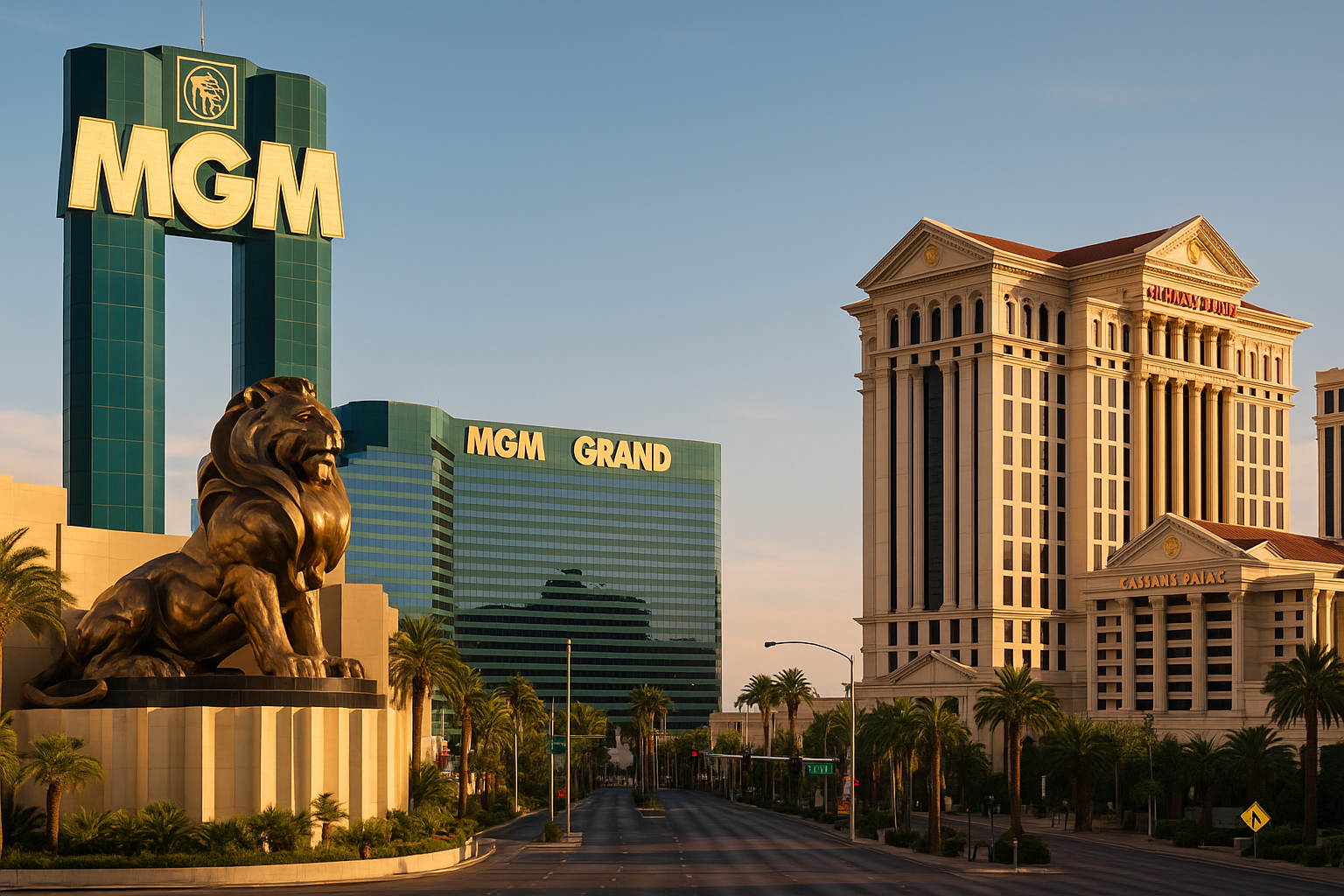
    MGM and Caesars resorts facing each other across the Las Vegas Strip

    The rivalry between MGM and Caesars represents more than just business competition—it’s a high-stakes battle for the future of hospitality and entertainment in America. With billions in revenue at stake and rapidly evolving consumer preferences, these industry titans are continuously reinventing themselves to capture market share and establish dominance.

    This in-depth analysis explores how these gambling behemoths stack up against each other, their strategies for growth, and what their ongoing competition means for consumers, investors, and the future of the entertainment industry.

    The Gaming Giants: Company Profiles

    MGM Resorts International: The Entertainment Powerhouse

    MGM Resorts International emerged from humble beginnings to become one of the world’s largest hospitality and entertainment companies. Founded by Kirk Kerkorian, MGM’s portfolio now includes some of the most iconic properties on the Las Vegas Strip:

    • MGM Grand: A massive entertainment complex featuring over 6,800 rooms
    • Bellagio: Famous for its dancing fountains and luxury accommodations
    • ARIA Resort & Casino: A modern luxury destination
    • Mandalay Bay: Known for its beach and events center
    • The Mirage: A tropical-themed resort with volcano shows
    • Park MGM: A boutique-style property targeting younger travelers

    Beyond Las Vegas, MGM has expanded to other domestic markets, including Atlantic City, Detroit, Maryland, Massachusetts, Mississippi, and Ohio. Internationally, the company has established a presence in Macau and continues to explore opportunities globally.

    MGM’s strategic vision extends beyond traditional gambling into broader entertainment experiences. The company has invested heavily in non-gaming amenities, including world-class restaurants, nightlife venues, shopping, and entertainment options that appeal to a diverse audience.

    Caesars Entertainment: The Historic Brand

    Caesars Entertainment’s story began in 1937 when Bill Harrah opened a small bingo parlor in Reno, Nevada. Through decades of strategic acquisitions and development, Caesars now controls an impressive portfolio of properties:

    • Caesars Palace: The legendary resort that defined luxury on the Strip
    • Harrah’s: Multiple locations across the country with broad market appeal
    • Horseshoe: Properties targeting serious gamblers
    • Planet Hollywood: A resort catering to movie enthusiasts and younger crowds
    • Paris Las Vegas: Featuring a half-scale replica of the Eiffel Tower
    • Flamingo: One of the oldest resorts on the Strip, with a rich history

    Caesars operates in diverse markets, including Las Vegas, Atlantic City, Lake Tahoe, and numerous regional locations across the United States. The company’s 2020 merger with Eldorado Resorts created an even larger entity, positioning Caesars as the largest casino operator in the country by number of properties.

    Caesars’ approach historically centered on the gambling experience and its loyalty program, Caesars Rewards (formerly Total Rewards), which remains one of the industry’s most valuable assets.

    Financial Performance: By the Numbers

    The financial battle between these giants reveals key insights into their respective market positions and operational strengths.

    Revenue Generation

    As of the most recent full fiscal year data:

    CompanyAnnual RevenueEBITDAPropertiesHotel Rooms
    MGM Resorts$14.1 billion$3.5 billion2942,000+
    Caesars Entertainment$10.8 billion$3.1 billion50+55,000+

    MGM typically generates higher revenue despite operating fewer properties, indicating stronger per-property performance. This efficiency stems partly from MGM’s concentration of high-performing resorts on the Las Vegas Strip.

    Market Capitalization and Investment Appeal

    Both companies have experienced volatility in their stock performance, especially following industry disruptions. However, their market capitalizations reflect investor confidence in their long-term strategies:

    • MGM Market Cap: Approximately $15-17 billion
    • Caesars Market Cap: Approximately $9-11 billion

    These valuations fluctuate based on quarterly performance, industry trends, and broader economic factors. MGM has generally maintained a valuation premium over Caesars, though the gap has narrowed following Caesars’ merger with Eldorado.

    Debt Positions

    Both companies carry significant debt loads, a common characteristic in the capital-intensive casino industry:

    • MGM Debt: Approximately $23 billion
    • Caesars Debt: Approximately $27 billion

    Caesars’ higher debt-to-EBITDA ratio presents challenges for financial flexibility, though the company has made debt reduction a strategic priority following its merger.

    Strategic Battlegrounds: Where the War is Waged

    Las Vegas Strip: The Flagship Market

    The Las Vegas Strip remains the most visible battlefield for these gaming giants. MGM controls approximately 40% of the rooms on the Strip, while Caesars holds roughly 25%. This concentration gives both companies significant pricing power and marketing advantages.

    MGM’s properties tend toward the luxury segment, with resorts like Bellagio and ARIA commanding premium rates. Caesars offers a more diverse range of price points, from the upscale Caesars Palace to the more affordable Flamingo and Linq properties.

    Recent developments have intensified the competition:

    • MGM’s Park Development: Created an entertainment district connecting New York-New York, Park MGM, and T-Mobile Arena
    • Caesars’ Linq Promenade: Developed an outdoor retail and entertainment complex featuring the High Roller observation wheel
    • Room Renovations: Both companies have invested billions in renovating aging properties to maintain competitiveness

    Regional Markets: Expanding the Footprint

    While Las Vegas represents the heart of their operations, both companies have aggressively expanded into regional markets across the United States.

    Caesars maintains a larger regional footprint with dozens of properties across multiple states. This widespread presence allows Caesars to capture gambling revenue from customers who may not regularly visit destination markets like Las Vegas.

    MGM has been more selective in its regional expansion, focusing on high-value markets like:

    • MGM National Harbor (Maryland): Serving the Washington D.C. metropolitan area
    • MGM Springfield (Massachusetts): Capturing the New England market
    • Borgata (Atlantic City): Dominating the East Coast’s second-largest gambling market

    Online Gambling and Sports Betting: The Digital Frontier

    Perhaps the most aggressive competition is occurring in the rapidly growing online gambling and sports betting sectors:

    MGM’s Digital Strategy

    BetMGM, a joint venture between MGM Resorts and Entain, has emerged as one of the leading sports betting and online gaming platforms in the United States. The company has:

    • Secured market access in 25+ states
    • Integrated with the MGM Rewards loyalty program
    • Invested heavily in technology and user experience
    • Partnered with major sports leagues and teams

    Caesars’ Digital Approach

    Caesars Digital, bolstered by the acquisition of William Hill, represents the company’s ambitious push into online gaming:

    • Aggressive marketing campaigns featuring celebrity endorsements
    • Integration with the Caesars Rewards program
    • Strategic partnerships with the NFL and ESPN
    • Expanded mobile betting options in multiple states

    This digital battleground is particularly crucial as younger consumers increasingly prefer mobile and online experiences. Both companies are investing billions to secure their positions in this growing market.

    Loyalty Programs: The Customer Retention Battlefield

    Loyalty programs represent a critical competitive advantage in the gaming industry, driving repeat visits and increasing customer lifetime value.

    Caesars Rewards

    Long considered the gold standard of casino loyalty programs, Caesars Rewards boasts:

    • 60+ million members
    • Seamless earning and redemption across all properties
    • Tiered status levels with escalating benefits
    • Cross-property recognition
    • Partnerships with other hospitality and entertainment brands

    MGM Rewards

    MGM revamped its loyalty program to compete more effectively with Caesars:

    • 35+ million members
    • Enhanced benefits for non-gaming spending
    • Tier matching with competitor programs
    • Integration with BetMGM for online earning
    • Expanded partnerships with travel and lifestyle brands

    These loyalty programs represent a critical battleground, as they provide valuable customer data, encourage property hopping, and build long-term brand affinity that translates to recurring revenue.

    Corporate Culture and Leadership Strategies

    MGM’s Evolution Under Bill Hornbuckle

    Since becoming CEO in 2020, Bill Hornbuckle has shepherded MGM through significant challenges while maintaining the company’s trajectory toward becoming an entertainment-focused organization rather than strictly a casino operator. Key initiatives include:

    • Asset-light strategy: Selling property assets while maintaining operational control
    • Digital acceleration: Rapid expansion of BetMGM and online offerings
    • International growth: Pursuing integrated resort opportunities in Japan
    • Enhanced guest experiences: Investing in technology and personalization

    Hornbuckle’s leadership style emphasizes innovation and adaptation, positioning MGM to capture changing consumer preferences, particularly among younger demographics who seek experiences beyond traditional gambling.

    Caesars’ Transformation Under Tom Reeg

    Following the Eldorado-Caesars merger, CEO Tom Reeg has implemented a more operations-focused approach:

    • Cost reduction initiatives: Streamlining operations across the combined company
    • Debt management: Prioritizing balance sheet improvement
    • Property improvements: Strategic renovations of key assets
    • Sports betting expansion: Aggressive investment in Caesars Digital

    Reeg’s background in regional casino operations has brought a disciplined financial approach to Caesars, with an emphasis on operational efficiency and return on investment.

    Innovation and Technology: The Next-Generation Casino Experience

    Both companies are investing heavily in technology to enhance the guest experience and drive operational efficiencies:

    MGM’s Tech Initiatives

    • Mobile check-in/digital keys: Streamlining the arrival experience
    • MGM Rewards app: Providing personalized offers and information
    • AI-driven marketing: Targeting customers with tailored promotions
    • Contactless service options: Enhancing convenience and efficiency
    • Data analytics: Optimizing pricing and operational decisions

    Caesars’ Digital Transformation

    • Play by Caesars app: Integrated mobile experience for guests
    • Smart room technology: Enhanced in-room amenities and controls
    • RFID table game chips: Improved security and player tracking
    • Automated beverage ordering: Efficiency in service delivery
    • Virtual reality experiences: Exploring next-generation entertainment

    These technological investments represent both defensive measures to remain competitive and offensive strategies to create differentiation in an increasingly competitive marketplace.

    The COVID Impact and Recovery Strategies

    The COVID-19 pandemic presented unprecedented challenges to the hospitality industry, forcing both companies to adapt rapidly and reconsider their operational models.

    MGM’s Pandemic Response

    MGM implemented a comprehensive health and safety protocol called “Seven-Point Safety Plan” while accelerating several strategic initiatives:

    • Accelerated digital transformation timeline
    • Reduced reliance on convention business
    • Streamlined operations and staffing models
    • Enhanced outdoor entertainment options
    • Pursued additional asset sales to strengthen the balance sheet

    Caesars’ COVID Adaptations

    Caesars, having just completed its merger with Eldorado as the pandemic struck, faced dual challenges:

    • Integration of two major companies during industry disruption
    • Implementation of enhanced cleaning protocols
    • Renegotiation of entertainment contracts
    • Acceleration of mobile sports betting rollout
    • Refinement of marketing strategies to target regional customers

    Both companies have emerged from the pandemic with leaner operations, stronger digital capabilities, and renewed strategic focus, though the long-term impacts on consumer behavior continue to shape their approaches.

    ESG Initiatives: The Social Responsibility Competition

    Environmental, Social, and Governance (ESG) practices have become increasingly important to consumers and investors alike, prompting both companies to enhance their sustainability efforts.

    MGM’s Social Impact and Sustainability

    MGM’s “Focused on What Matters” initiative encompasses:

    • 50% reduction in carbon emissions target by 2030
    • Water conservation programs in drought-prone areas
    • Diversity, Equity & Inclusion commitments
    • Responsible gambling programs
    • Community investment initiatives

    Caesars’ People, Planet, Play Framework

    Caesars has long emphasized corporate social responsibility through:

    • Climate commitment to reduce greenhouse gas emissions
    • Responsible meeting certification program
    • CodeGreen sustainability initiative
    • Diversity and inclusion programs
    • Problem gambling awareness and prevention

    These ESG initiatives serve multiple purposes: enhancing brand reputation, reducing operational costs, attracting socially conscious customers, and meeting investor expectations for responsible corporate citizenship.

    Future Battlegrounds: Emerging Markets and Opportunities

    As competition intensifies in established markets, both companies are exploring new growth vectors:

    International Expansion Opportunities

    MGM’s Global Ambitions

    • Japan: Pursuing an integrated resort license in Osaka
    • Macau: Continuing to develop its presence in the Chinese gambling hub
    • Middle East: Exploring non-gambling hospitality options

    Caesars’ International Strategy

    • Dubai: Non-gaming Caesars resorts establishing the brand
    • European sports betting markets: Leveraging William Hill’s presence
    • Potential Asian expansion: Following regulatory developments

    Emerging Domestic Markets

    New opportunities are developing within the United States:

    • New York City casino licenses: Both companies expressing interest
    • Texas gambling legalization: Monitoring legislative developments
    • Chicago casino development: Evaluating potential opportunities

    Alternative Revenue Streams

    Both companies are diversifying beyond traditional gambling:

    • Entertainment venues: Concert spaces, theaters, and arenas
    • Restaurant brand expansion: Taking successful concepts beyond casinos
    • Sports team ownership/partnerships: Increasing integration with professional sports
    • Convention business: Competing for lucrative business travelers
    • Residential branding: Casino-branded condominiums and residences

    Consumer Impact: What It Means for Visitors and Gamblers

    The intense competition between MGM and Caesars creates both benefits and challenges for consumers:

    Advantages for Consumers

    • Loyalty program enhancements: More generous rewards to attract and retain customers
    • Improved amenities: Continuous property upgrades to remain competitive
    • Promotional offers: Aggressive marketing campaigns with valuable incentives
    • Technology improvements: Better digital experiences and convenience features
    • Diverse price points: Options across multiple budget levels

    Potential Drawbacks

    • Resort fees: Continued use of controversial additional charges
    • Reduced comps for mid-tier players: Focus on high-value customers
    • Consolidated ownership: Less diversity in operational approaches
    • Algorithmic pricing: Data-driven rate adjustments during high demand
    • Standardized experiences: Corporate efficiencies sometimes reducing property uniqueness

    Investment Perspective: Wall Street’s View

    Financial analysts maintain varied perspectives on these gaming companies, influenced by several factors:

    MGM Investment Thesis

    • Strengths: Prime Las Vegas Strip assets, growing digital business, international potential
    • Challenges: Competition in key markets, economic sensitivity, regulatory concerns
    • Outlook: Generally positive, with emphasis on the BetMGM growth potential

    Caesars Investment Considerations

    • Strengths: Extensive property portfolio, powerful loyalty program, sports betting momentum
    • Challenges: Higher debt load, integration execution, competitive pressures
    • Outlook: Mixed, with appreciation for operational improvements but concerns about financial leverage

    Investment perspectives frequently cite the growing importance of digital gaming and sports betting as potential value creators for both companies, with varying assessments of their respective positioning.

    Conclusion: The Future of Casino Entertainment

    The MGM-Caesars rivalry represents a microcosm of the broader evolution occurring within the entertainment and hospitality industries. As consumer preferences shift, technology advances, and regulatory landscapes evolve, these companies must continuously reinvent themselves while maintaining the core elements that built their brands.

    Several key trends will likely shape the future of this competition:

    1. Experience integration: Seamless blending of digital and physical experiences
    2. Personalization at scale: Leveraging data to customize guest interactions
    3. Operational efficiency: Using technology to enhance service while controlling costs
    4. Brand extension: Moving beyond traditional gambling into broader entertainment
    5. Social responsibility: Meeting growing expectations for corporate citizenship

    For consumers, this competitive dynamic ensures continued innovation and investment in the guest experience. For investors, it presents both opportunities and challenges as these companies navigate an increasingly complex business environment.

    The battle for market dominance between MGM and Caesars is far from over. As they continue to transform themselves from casino operators to comprehensive entertainment providers, their strategies, successes, and failures will shape the future of hospitality and leisure in America and beyond.

    Whether you’re planning your next vacation, considering an investment, or simply interested in business strategy, the ongoing competition between these gaming giants provides instructive information about how traditional industries evolve to meet the demands of the modern consumer.

    FAQ: Common Questions About MGM and Caesars

    Q: Which company has more properties worldwide? A: Caesars Entertainment operates more properties overall, with 50+ casinos compared to MGM’s approximately 29 properties. However, MGM’s resorts tend to be larger and generate more revenue per property.

    Q: Which loyalty program offers better benefits? A: Both programs have strengths. Caesars Rewards typically offers more generous gaming-focused benefits and has more locations for earning and redemption. MGM Rewards generally provides better recognition for non-gaming spending and luxury experiences.

    Q: Are MGM and Caesars the largest casino companies in the world? A: While they are among the largest, companies like Las Vegas Sands and Wynn Resorts generate comparable or higher revenue, particularly due to their operations in Macau. However, within the United States, MGM and Caesars represent the two largest operators.

    Q: Do they own all their properties? A: Increasingly, no. Both companies have adopted varying degrees of an “asset-light” strategy, selling property assets to real estate investment trusts (REITs) while maintaining operational control through lease agreements.

    Q: Which company is growing faster? A: Growth rates fluctuate based on recent acquisitions, development projects, and market conditions. Currently, MGM’s digital division is experiencing faster percentage growth, while Caesars has grown more rapidly in terms of physical properties due to its merger with Eldorado.

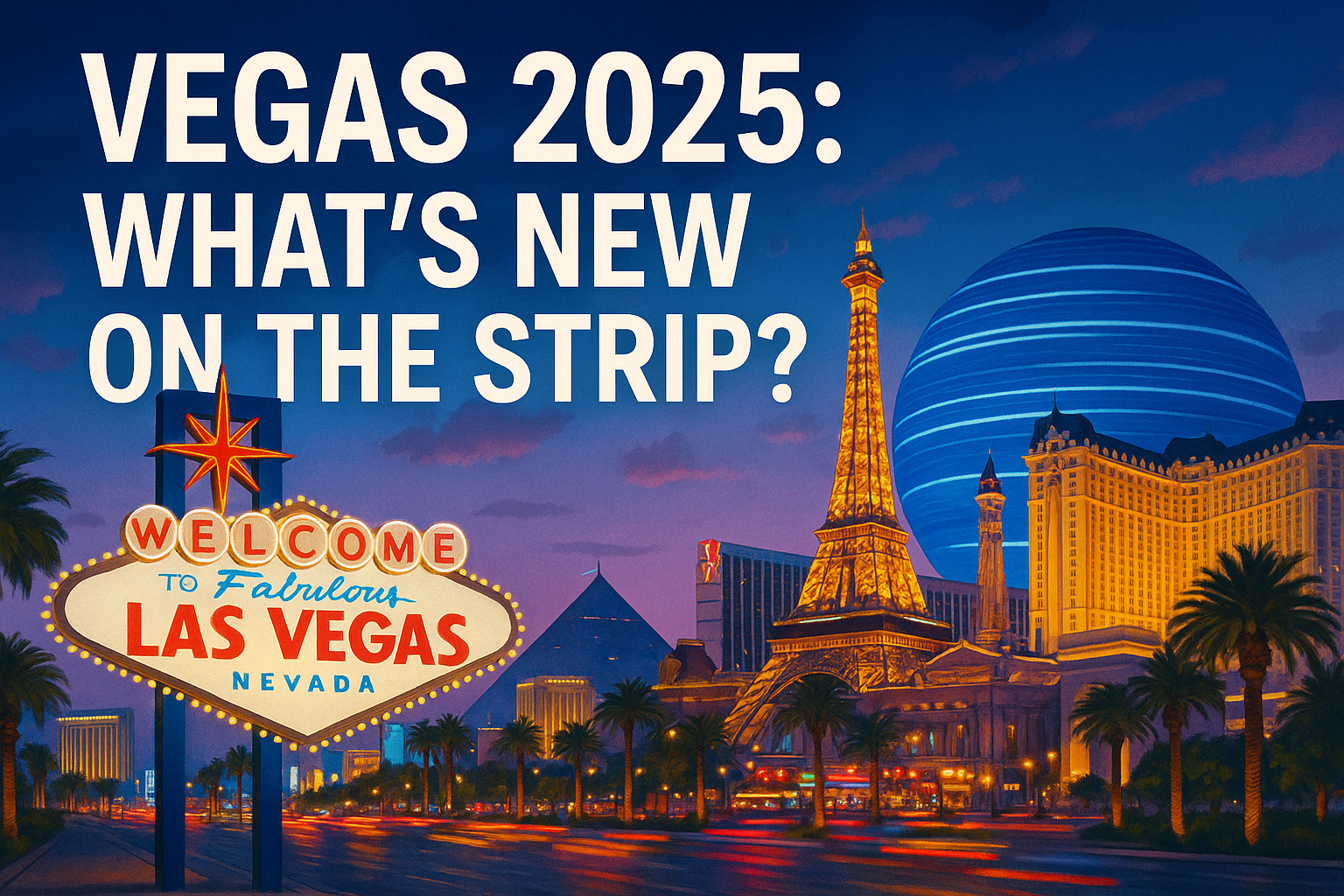
  • Vegas 2025: What’s New on the Strip?

    Vegas 2025: What’s New on the Strip?

    The ultimate guide to the latest attractions, dining experiences, and entertainment options transforming Las Vegas in 2025

    Introduction: The Ever-Evolving Vegas Experience

    The Ever-Evolving Vegas Experience

    Las Vegas has always been a city of reinvention, where the extraordinary becomes standard and innovation never sleeps. As we move through 2025, the iconic Strip continues its remarkable transformation with groundbreaking attractions, reimagined spaces, and cutting-edge entertainment venues that are redefining what’s possible in the entertainment capital of the world.

    Whether you’re a Vegas regular looking to discover what’s changed since your last visit or planning your first trip to this desert oasis of excitement, 2025 brings a wealth of new experiences worth exploring. From architectural marvels to immersive entertainment, high-end shopping destinations to unique dining concepts, the latest evolution of the Strip offers something for every type of traveler.

    In this comprehensive guide, we’ll walk you through the most significant and exciting additions to the Las Vegas landscape in 2025, helping you plan an unforgettable visit that captures the very best of what’s new in this dynamic city.

    Architectural Marvels & New Developments

    The Sphere: Vegas’ Most Iconic New Landmark

    When it comes to groundbreaking new attractions in Las Vegas, nothing has captured the world’s imagination quite like the Sphere at The Venetian Resort. This architectural wonder, which opened in late 2023, continues to evolve its programming in 2025 with new immersive experiences that push the boundaries of entertainment technology.

    Standing at 366 feet tall and 516 feet wide, the Sphere features the world’s largest high-definition LED screen on its interior, creating fully immersive visual environments that must be experienced to be believed. The 16K resolution wraparound screen spans an astonishing 160,000 square feet, completely enveloping visitors in breathtaking visuals.

    For 2025, the Sphere has expanded its offerings with several must-see experiences:

    • The Sphere Experience with “Postcard From Earth”: This 50-minute cinematic journey from acclaimed director Darren Aronofsky takes viewers across the seven continents with stunning visuals that harness the venue’s groundbreaking technology.
    • “The Wizard of Oz at Sphere”: Beginning August 28, 2025, this immersive reimagining of the 1939 classic film takes advantage of the venue’s unique capabilities to transport viewers to Oz like never before.
    • Dead & Company: Dead Forever: The legendary band’s residency continues into 2025 with selected dates throughout the year, utilizing the venue’s spectacular visual capabilities for an unforgettable concert experience.
    • V-U2 An Immersive Concert Film: For those who missed U2’s groundbreaking residency, this immersive concert film directed by Morleigh Steinberg and U2’s guitarist The Edge offers the next best experience.

    The Sphere is directly connected to The Venetian Resort by a pedestrian bridge, making it easily accessible for visitors staying at the resort or anywhere along the Strip. With its rotating schedule of concerts, immersive films, and special events, checking the Sphere’s calendar is essential when planning your 2025 Vegas visit.

    BLVD: The Strip’s Newest Retail & Entertainment Destination

    The newest addition to the Las Vegas skyline is BLVD, a massive 400,000-square-foot retail, dining, and entertainment complex that opened in early 2025. Located at 3755 Las Vegas Boulevard on the site of the former Hawaiian Marketplace, this three-story development represents one of the Strip’s most significant non-casino retail projects in decades.

    BLVD distinguishes itself from typical shopping malls by focusing on creating unique retail and dining experiences that can’t be found elsewhere. The complex features 700 feet of street frontage along the Strip, with two-story storefronts designed to create maximum visual impact.

    Notable features of BLVD include:

    • Premium Retail Experiences: Major brands like Adidas, H&M, JD Sports, Puma, Lululemon, and Abercrombie & Fitch have opened flagship locations at BLVD, many featuring store designs and merchandise selections unique to this location.
    • The Overlook: This spectacular elevated outdoor area provides panoramic views of the Strip, with seating areas perfect for people-watching or taking in the Vegas ambiance.
    • World’s Largest In-N-Out Burger: A multi-floor version of the beloved West Coast burger chain spans more than 8,000 square feet of indoor dining space and 2,500 square feet of outdoor patio, making it the largest In-N-Out location in the world.
    • Rooftop Dining Terrace: The 110,000-square-foot rooftop space features more than a dozen restaurants, including diverse cuisines from Italian and Mediterranean to Mexican, along with dessert options and other culinary experiences.

    BLVD’s central Strip location makes it easily accessible from most hotels, and its mix of shopping, dining, and entertainment provides a welcome non-gambling alternative for visitors looking to take a break from the casino floor.

    Brightline West: High-Speed Rail Breaks Ground

    While not directly on the Strip itself, one of the most exciting transportation developments affecting Las Vegas tourism in 2025 is the groundbreaking of the Brightline West high-speed rail project. This ambitious rail line will connect Las Vegas to Southern California, dramatically changing how visitors from California access the city.

    The high-speed train will travel between Las Vegas and Rancho Cucamonga (near Los Angeles) in approximately 2 hours and 10 minutes—less than half the typical driving time. Construction is underway in 2025, with service expected to begin in the coming years.

    Though the project won’t be operational during 2025, its development is already influencing property values and development plans around the planned Las Vegas station, creating excitement for what promises to be a game-changing transportation option for the millions of Southern California residents who regularly visit Vegas.

    New Entertainment Experiences

    Universal Horror Unleashed: Year-Round Thrills

    Horror fans, rejoice! Universal Horror Unleashed, Universal’s first-ever year-round horror experience, is set to open at AREA15 on August 14, 2025. This groundbreaking attraction brings the thrills and chills of Universal’s famed Halloween Horror Nights to Las Vegas 365 days a year.

    Located within the newly expanded Vegas Immersive District (formerly AREA15), Universal Horror Unleashed will feature four distinct haunted houses:

    • Universal Monsters: Featuring classic creatures like Frankenstein’s Monster, Dracula, and the Wolf Man in a new frightening experience
    • The Texas Chainsaw Massacre: Bringing the iconic horror franchise to life
    • Scarecrow: The Reaping: An original Universal creation with terrifying scarecrows
    • Blumhouse’s The Exorcist: Believer: A haunting experience based on the Blumhouse horror film

    Beyond the haunted houses, guests will encounter four immersive themed areas with live entertainment, plus “eerie eateries” and bars featuring horror-themed food and drinks. The attraction promises to evolve over time with seasonal events and exclusive merchandise, creating a must-visit destination for horror enthusiasts.

    Universal Horror Unleashed serves as the anchor tenant for the 20-acre expansion of AREA15, which has already welcomed over seven million visitors since its original opening. The expanded Vegas Immersive District will also include retail and office space, along with 200 hotel rooms and residential housing.

    The Pinky Ring by Bruno Mars

    The Bellagio continues to innovate in 2025 with The Pinky Ring, a stylish cocktail lounge and jazz bar from superstar Bruno Mars. This venue is more than just another celebrity-endorsed space—it’s a carefully crafted throwback to classic Vegas entertainment with modern sensibilities.

    The intimately designed space features moody lighting, live music, and DJs spinning vinyl records. The specialty bar program focuses on craft cocktails designed to complement the venue’s upscale ambiance, creating one of the Strip’s most sophisticated nightlife destinations.

    With Bruno Mars personally curating everything from the lounge’s premium cocktail selection to its lineup of live musicians, The Pinky Ring offers a refreshing alternative to the mega-clubs that have dominated Vegas nightlife in recent years. It represents a return to a more refined entertainment experience where conversation and musical appreciation take center stage.

    “The One in Vegas” Friends Experience

    Fans of the iconic television series “Friends” have reason to celebrate in 2025 with the opening of “The One in Vegas” at the MGM Grand. This immersive attraction celebrates the worldwide phenomenon with accurate recreations of the show’s most famous sets, including the Central Perk coffee shop and Monica and Rachel’s apartment.

    Visitors can pose for photos on the famous orange couch, see authentic props and costumes from the series, and enjoy presentations that provide behind-the-scenes insights into one of television’s most beloved sitcoms. The experience offers a nostalgic journey for longtime fans while introducing a new generation to the world of Ross, Rachel, Monica, Chandler, Joey, and Phoebe.

    Dining Innovations

    Netflix Bites

    Streaming giant Netflix has entered the culinary world of Las Vegas with Netflix Bites, a unique dining concept at the MGM Grand that opened in early 2025. Described as a “one-year culinary residency,” this innovative dining experience serves breakfast, lunch, and dinner with dishes inspired by popular Netflix shows.

    The restaurant combines the worlds of entertainment and dining in a distinctly Vegas way, allowing fans to connect with their favorite Netflix content through food. The concept follows the success of Netflix’s Stranger Things store at Showcase Mall and represents the company’s growing presence in the experiential entertainment space.

    Expanded Craft Beer Presence: BrewDog

    The craft beer movement has found a new home on the Strip with BrewDog, an impressive beer-focused venue occupying the third and fourth floors of the Showcase Mall. This Scottish-founded concept features a wraparound rooftop deck with panoramic views of the Strip and nearly 100 taps pouring a diverse selection of beers and other beverages.

    BrewDog produces beer on-site in small batches, making it just one of two breweries located directly on the Strip. The venue pairs its impressive beer selection with a full menu including upscale options like oak-grilled ribeye, lobster-topped french fries, and a $150 Wagyu burger. Entertainment options like shuffleboard and vintage arcade games round out the experience.

    Bob Marley Hope Road at Mandalay Bay

    Mandalay Bay welcomes a unique new dining and entertainment concept with Bob Marley Hope Road. This two-part experience transforms the former Bayside Buffet space into a celebration of the legendary musician’s life and influence.

    Hope Road by Day offers an immersive walkthrough experience that explores Marley’s legacy, while Hope Road by Night presents a live show celebrating his music and impact on global culture. Executive produced by Marley’s children Cedella and Ziggy, this venue brings authentic Jamaican culture and music to the Strip in a respectful and engaging format.

    New Attractions & Experiences

    Grand Prix Plaza

    Following the success of the Las Vegas Grand Prix, Formula One is establishing a year-round presence in the city with Grand Prix Plaza. This 39-acre complex houses the Las Vegas Grand Prix Pit Building and offers visitors the chance to experience F1-inspired karting on part of the actual race circuit.

    The complex also features shopping, dining, racing simulators, and interactive exhibits designed to grow the sport’s popularity in America. For racing enthusiasts, the F1 Arcade Las Vegas at the Forum Shops provides 87 racing simulators, a 41-foot Champagne Bar, and an outdoor terrace, creating another dedicated space for motorsport fans.

    Evel Knievel Museum

    Daredevil enthusiasts can celebrate one of America’s most iconic stunt performers at the Evel Knievel Museum, which relocated to the Las Vegas Arts District from its previous home in Topeka, Kansas. This museum showcases Knievel’s motorcycles, jump suits, and memorabilia while celebrating his lasting impact on extreme sports and entertainment.

    The museum’s relocation to Las Vegas is particularly fitting, as it was the site of Knievel’s famous (and unsuccessful) attempt to jump the fountains at Caesars Palace in 1967—an event that helped establish both Knievel’s legend and Las Vegas as a destination for spectacular entertainment.

    Hotels & Casinos: What’s Changing

    Hard Rock Las Vegas: The Transformation of The Mirage

    One of the most significant changes to the Strip’s landscape began in July 2024 when The Mirage closed its doors to begin its transformation into the Hard Rock Hotel & Casino Las Vegas. This massive renovation project, which won’t be completed until 2027, is replacing the iconic volcano that has greeted visitors since 1989 with a 700-foot guitar-shaped hotel tower similar to the one at Hard Rock’s Florida property.

    While construction continues throughout 2025, visitors to the Strip will notice the striking changes taking place at the property, particularly as the guitar tower begins to take shape. The $4-5 billion project represents Hard Rock International’s ambitious entry onto the Las Vegas Strip and will be the first tribal casino operation on the famous boulevard when it opens.

    Durango Casino Expansion

    Away from the Strip but worth noting for repeat visitors to Las Vegas, the Durango Casino is undergoing a significant expansion in 2025. The Red Rock Resorts property is adding 25,000 square feet of casino space, 230 new slot machines, and a new covered parking garage with more than 2,000 spaces.

    This expansion demonstrates the continued growth of Las Vegas’ “locals” casino market, providing additional options for visitors who want to explore beyond the Strip during their stay.

    Planning Your Visit: Essential Tips for 2025

    Best Times to Visit

    Las Vegas continues to be a year-round destination, but understanding the seasonal patterns can help you maximize your experience:

    • January-February: Lower crowds and cooler temperatures make early year visits ideal for exploring outdoor attractions and securing reservations at popular venues.
    • March-May: Perfect weather conditions, though Spring Break and convention season can bring larger crowds.
    • June-August: Pool season is in full swing, but be prepared for temperatures that regularly exceed a scorching 100°F (38°C).
    • September-December: Pleasant fall temperatures and holiday decorations make the latter part of the year attractive, though major events like the Las Vegas Grand Prix can create peak crowds on specific weekends.

    Getting Around

    Transportation options on and around the Strip continue to improve:

    • The Deuce: Double-decker buses run 24/7 along the Strip and into downtown, providing an affordable way to travel between attractions.
    • Las Vegas Monorail: Running along the east side of the Strip, the monorail connects major resorts from the SAHARA to MGM Grand.
    • Rideshare Services: Uber and Lyft remain popular options, with designated pickup points at most major resorts.
    • Trams and Walkways: Free trams connect select properties (Mandalay Bay-Excalibur, Mirage-Treasure Island, Park MGM-Bellagio), while elevated walkways and pedestrian bridges help make the Strip more walkable.

    Budgeting Tips

    Vegas can be as expensive or affordable as you make it, but knowing these tips can help manage costs:

    • Resort Fees: Nearly all Strip hotels charge mandatory resort fees ranging from $30-$50 per night in addition to advertised room rates.
    • Show Tickets: Purchase in advance for popular shows, especially for limited-time residencies and Sphere experiences.
    • Dining: Most major resorts now offer diverse dining options at various price points, from food courts to celebrity chef restaurants.
    • Gambling: Set strict limits and consider joining players clubs for comps and discounts based on your play.

    Conclusion: The Strip Reimagined for 2025

    Las Vegas has never been a city to rest on its laurels, and 2025 demonstrates this spirit of continual reinvention more clearly than ever. From the technological marvel of the Sphere to the year-round thrills of Universal Horror Unleashed, from the retail innovation of BLVD to the culinary creativity of new dining concepts, the Strip continues to raise the bar for global entertainment destinations.

    Whether you’re drawn to cutting-edge technology, world-class shopping, innovative dining, or one-of-a-kind entertainment experiences, the Las Vegas of 2025 offers an unparalleled array of new attractions to discover. As the city evolves, it maintains its essential character—a place where the extraordinary is ordinary and where the next amazing experience is always just around the corner.

    The only question that remains is, which of these exciting new attractions will you experience first?